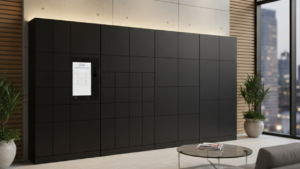


From luxury apartments to corporate offices, modern buildings are smarter than ever — equipped with sensors, cameras, and digital controls. Yet, despite all the technology, security breaches, lost assets, and unauthorized access still happen every day.
So, where’s the disconnect?
The truth is, most buildings invest in advanced hardware but lack integrated, intelligent systems that bring real control and visibility. Smart technology isn’t just about automation — it’s about making spaces safer, simpler, and more accountable.
In this article, we’ll explore why many buildings still fail at security and how innovative solutions like Noki Systems are reshaping the way we protect assets and people.
1. The Hidden Weaknesses in Modern Building Security
You might think cameras, door locks, and guards are enough — but these traditional measures often operate in silos. They don’t communicate or share data, which means small issues can slip through unnoticed.
Many property managers still rely on outdated systems like manual logs or key sign-outs. The result? Missing keys, untracked deliveries, and unverified access that expose vulnerabilities.
Modern threats require modern coordination — and that’s where most buildings fall short.
2. The Cost of Incomplete Security
Security failures aren’t just about stolen items. They damage trust, increase operational costs, and waste time.
Consider a residential building where packages go missing or a car dealership that misplaces vehicle keys — both lead to unhappy tenants or lost revenue. In many cases, it’s not theft, but lack of accountability that causes the most pain.
Without a centralized platform, there’s no way to verify who accessed what, or when. That’s why smart security systems are no longer optional — they’re essential.
3. How Smart Technology Bridges the Gap
Smart building technology goes beyond traditional security tools. It integrates data, access control, and automation into one seamless system.
Instead of just reacting to issues, it helps prevent them. With real-time monitoring, audit trails, and automated alerts, managers can see everything that happens across their facilities — instantly.
For example, Noki Exec empowers businesses to manage permissions and track every access event across multiple locations. Whether it’s tools, keys, or high-value assets, each handover is logged and visible in real time.
That’s the kind of control that eliminates guesswork and keeps operations smooth.
4. Smarter Deliveries, Safer Communities
One of the most overlooked security risks in residential and commercial properties is the chaos around package deliveries.
Traditional mailrooms struggle to keep up with rising e-commerce volumes, leading to lost parcels, unauthorized pickups, and constant frustration for residents and staff.
Smart parcel solutions like Noki Express solve this by automating every delivery and pickup. Couriers drop off packages securely, residents receive instant notifications, and every transaction is logged. The result is zero confusion and total accountability.
That’s not just convenience — it’s a fundamental improvement in how buildings handle security.
5. Secure Access for a Mobile World
Today’s workforce and residents are always on the move. Keys, badges, and codes are easily misplaced or shared.
Smart access control systems change that. With features like mobile authorization, role-based access, and remote monitoring, building managers can control who enters what space and when — all from a smartphone or dashboard.
Through solutions like Noki Exchange, users can even share keys digitally, without the need for physical handovers or concierge staff. Each exchange is tracked, verified, and secured with encrypted credentials.
It’s key management built for the digital age — simple, secure, and fully transparent.
6. Building Security That Learns and Adapts
The best smart technologies don’t just monitor — they learn.
AI-driven systems analyze activity patterns and flag irregularities automatically. Over time, they help identify trends, optimize access schedules, and reduce manual oversight.
This approach creates proactive security, not reactive management. And that’s the future every building needs — one where human intelligence and smart automation work hand-in-hand.
7. Why Integration Is the Real Game Changer
One major reason modern buildings fail at security is fragmentation. Even the best hardware can fall short when systems operate independently.
Smart platforms like those offered by Noki Systems unify access control, parcel management, and key tracking into a single ecosystem. Everything — from deliveries to key exchanges — runs through one intelligent interface.
This kind of connected visibility transforms how property owners protect their assets and streamline operations.
Conclusion
One major reason modern buildings fail at security is fragmentation. Even the best hardware can fall short when systems operate independently.
Smart platforms like those offered by Noki Systems unify access control, parcel management, and key tracking into a single ecosystem. Everything — from deliveries to key exchanges — runs through one intelligent interface.
This kind of connected visibility transforms how property owners protect their assets and streamline operations.