
Across Canada, vehicle theft has become one of the most pressing challenges affecting the automotive industry. While government initiatives and law-enforcement efforts have begun to slow the rise in theft incidents, dealerships still face growing operational risks as they manage increasingly large vehicle inventories.
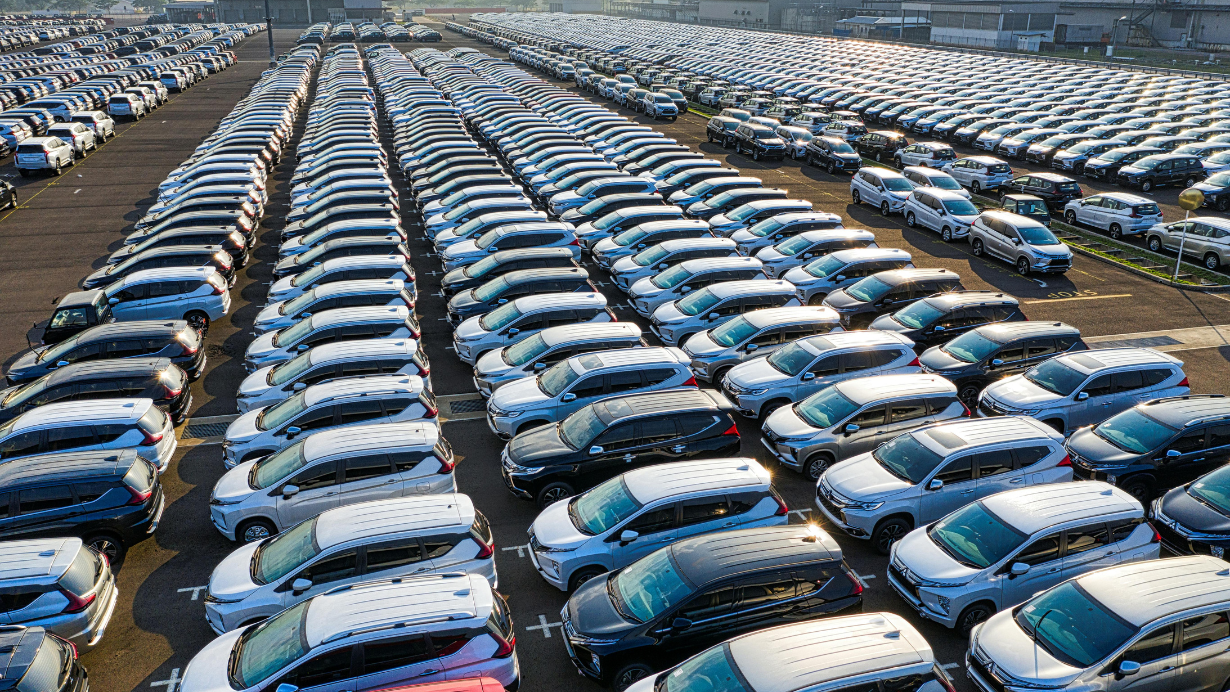
Modern dealerships often store hundreds of vehicles on site. This scale makes them attractive targets for organized theft groups seeking high-value vehicles that can be quickly exported or dismantled for parts. As a result, many dealerships are beginning to rethink how vehicles are accessed, monitored, and controlled during daily operations.
The Current State of Vehicle Theft in Canada
Recent national reports indicate that theft levels are slowly declining from peak years, but the financial and operational impact remains significant.
| Year | Estimated Vehicle Thefts | Trend |
| 2023 | ~70,000 | Peak levels |
| 2024 | ~57,000 | Decline begins |
| 2025 | ~47,000 | Continued decrease |
Although the numbers show improvement, theft continues to generate nearly $1 billion in annual losses across Canada. For businesses responsible for managing high-value vehicle inventories, these risks translate directly into operational concerns.
Dealerships as High-Value Targets
Dealership lots contain concentrated inventories of valuable vehicles, often including popular SUVs and trucks that are in high demand internationally. Criminal networks frequently target these locations because a single successful theft can yield significant financial return.
Large dealership operations also involve constant vehicle movement throughout the day. Vehicles may be accessed for test drives, service appointments, detailing, or inventory transfers. With dozens of employees interacting with hundreds of vehicles daily, maintaining clear accountability over access becomes increasingly complex.
Where Operational Risk Appears in Dealership Workflows
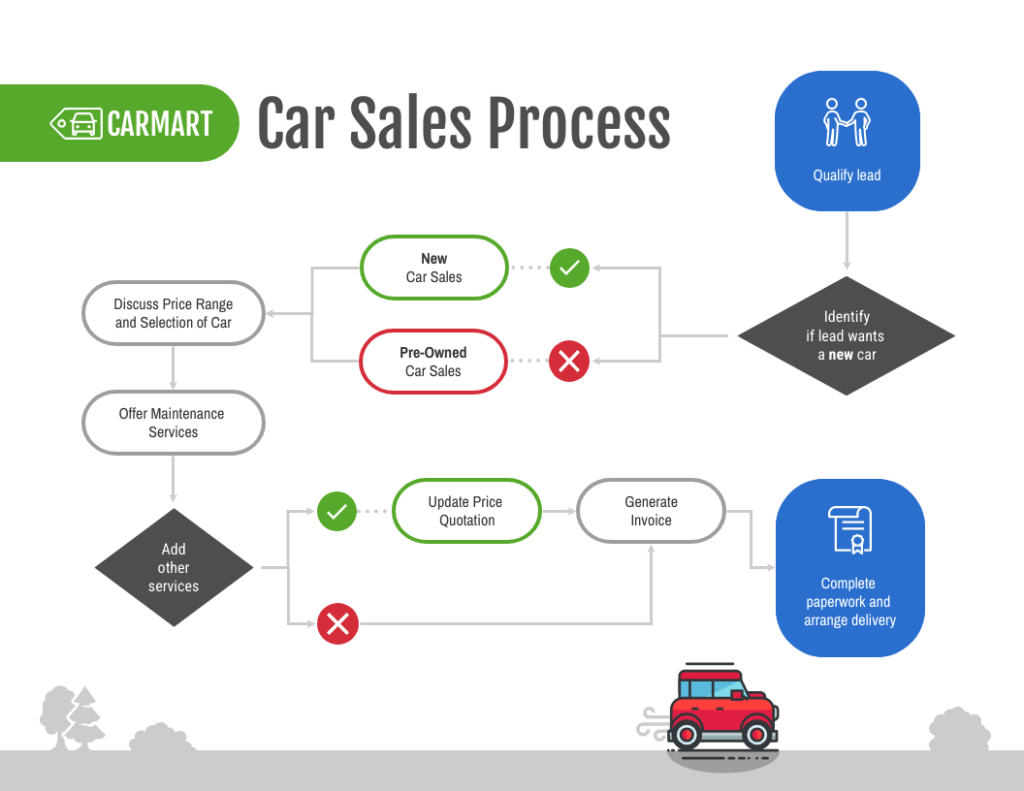
Operational pressure often appears in areas where vehicles move frequently between departments. Service bays, test-drive scheduling, inventory transfers, and overnight storage all create situations where multiple employees may access vehicles throughout the day.
Small gaps in oversight such as unclear key handling procedures or manual tracking systems can make it difficult for management teams to maintain full visibility across these processes.
The Shift Toward Smarter Operational Systems
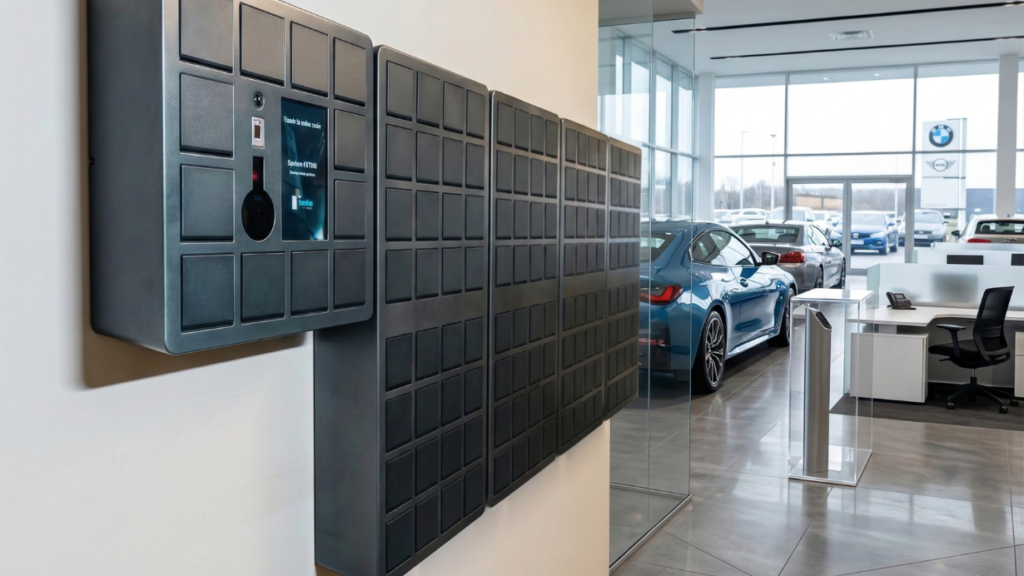
As vehicle theft concerns grow, dealerships are increasingly focusing on improving internal operational control rather than relying solely on perimeter security. Cameras and alarms remain important, but they do not address how vehicles are accessed internally throughout the workday.
Digital infrastructure is becoming a key part of modern dealership management. Automated systems allow businesses to monitor vehicle access more effectively, reduce manual handling errors, and maintain clearer accountability across staff workflows.
Solutions such as Noki Exec support dealerships by digitizing key management processes and centralizing vehicle access control. By storing keys securely while maintaining detailed digital logs of access activity, dealerships gain greater operational transparency without disrupting daily workflows.
Technology Supporting Modern Dealership Security
Automated key management infrastructure helps dealerships maintain tighter operational control over valuable vehicle assets. Instead of relying on traditional key cabinets or manual sign-out sheets, digital systems provide real-time visibility into who accessed a vehicle and when.
This approach not only improves internal accountability but also reduces administrative burden for staff managing large inventories.
A Changing Landscape for Dealership Operations
Vehicle theft remains an evolving challenge across the automotive sector. Even as national initiatives begin to reduce overall theft numbers, dealerships must adapt their internal processes to manage operational risk effectively.
As dealership networks grow larger and vehicle volumes increase, businesses that integrate smarter infrastructure will be better positioned to maintain efficiency while protecting valuable assets. Solutions like those offered by NOKI illustrate how digital systems can support this transition by combining operational efficiency with stronger access control.
In today’s dealership environment, security is no longer defined only by gates or surveillance cameras. It is increasingly determined by how well internal systems manage access, accountability, and operational visibility.