
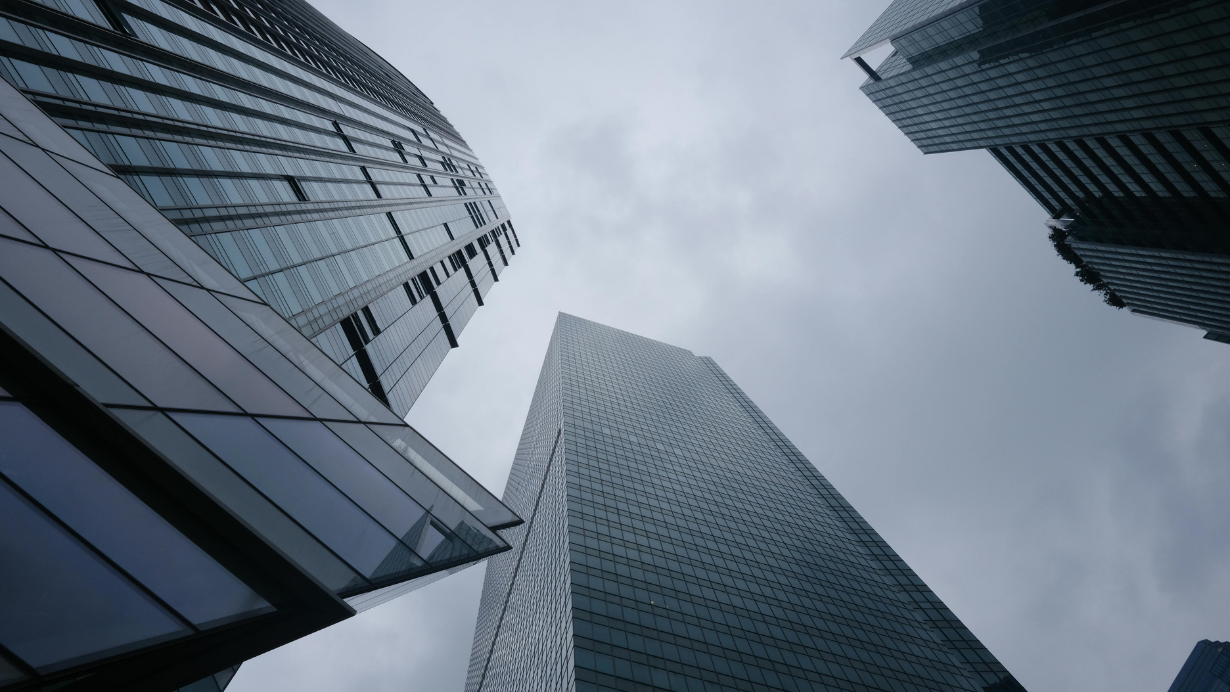
Canada’s skyline is transforming.
From Toronto to Vancouver, cranes dominate the horizon. With record immigration targets and ongoing housing shortages, high-rise developments have become the fastest path to increasing supply. But while towers are rising quickly, an important question remains:
Are Canadian cities truly prepared for large-scale vertical living?
The Vertical Growth Boom
Recent housing reports show that major Canadian cities are relying heavily on condo developments to meet demand. Limited land availability and urban expansion constraints are pushing developers to build upward.
High-rise living is no longer luxury-focused. It’s becoming mainstream urban housing. Yet density changes more than just skylines – it reshapes how buildings operate daily.
Why Density Creates Operational Pressure
As hundreds of residents share one structure, complexity increases.
- Elevators run constantly
- Deliveries multiply daily
- Shared amenities see heavy use
- Security concerns rise
- Management teams handle larger workloads
A 40-story building doesn’t just require more space — it requires smarter systems.
The Move Toward Smarter Systems
To adapt, many multi-residential communities are investing in technology-driven solutions that reduce friction in daily operations.
Automation is becoming central to maintaining order in high-density environments. Smart access systems, digital communication tools, and automated delivery management are increasingly integrated into new developments.
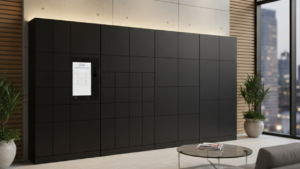
For example, companies like NOKI are supporting multi-residential buildings with smart locker solutions that streamline parcel handling. By reducing manual intervention and improving accountability, such systems help buildings scale operationally as density increases. The goal isn’t just convenience , it’s sustainability of operations.

Infrastructure Beyond the Building
Municipalities are investing in transit expansion, zoning reform, and sustainability initiatives to support urban growth. However, infrastructure upgrades often move slower than residential development.
The readiness gap becomes visible when:
| Growth Area | Readiness Challenge |
| Population Increase | Pressure on housing supply |
| High-Rise Development | Strain on internal building systems |
| Delivery Growth | Logistical congestion |
| Urban Density | Greater demand on city services |
Cities may approve towers quickly, but supporting systems require continuous adaptation.
The Readiness Question
Canada is clearly committed to vertical growth. The shift toward high-rise living reflects economic necessity and urban evolution. Yet true readiness isn’t measured by crane counts or construction permits.
It is measured by how well buildings function once residents move in.
High-rise communities operate like vertical neighborhoods. They require organized processes, scalable systems, and forward-thinking management strategies to maintain efficiency and resident satisfaction.
As density continues to rise, the buildings that integrate intelligent infrastructure — including smart solutions from providers like NOKI — will be better positioned to manage the realities of modern urban living.
Canada’s cities are building upward.
Now they must ensure they are building smart.