
For decades, the realtor lockbox has been the standard way to let agents into a listing when the owner is away. On a detached house it is simple: hang the box on the door handle, share the code, and buyer’s agents can show the home on their own schedule.
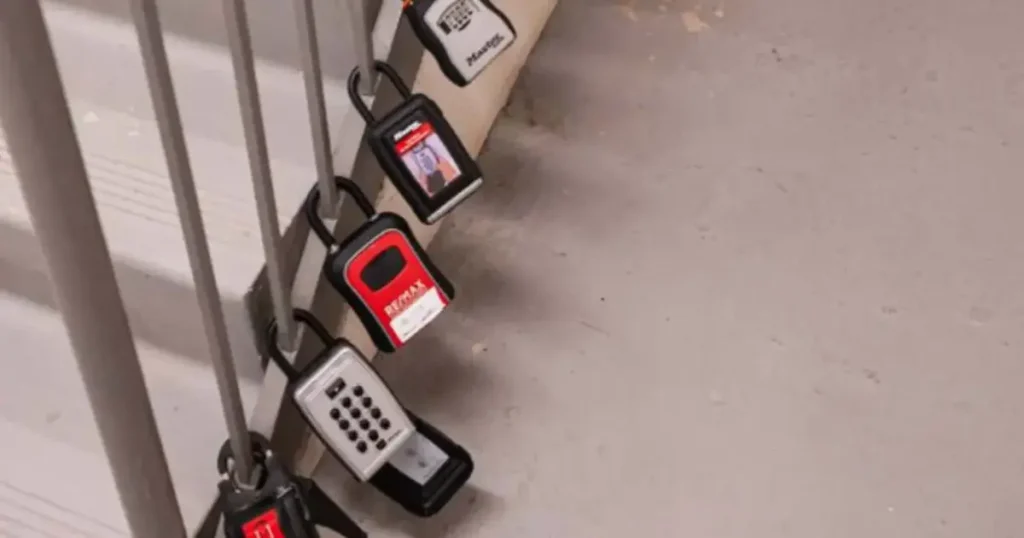
Condos are different. Lobby doors are fob-controlled, unit doors sit inside private hallways, and a box clipped to a railing is visible to every neighbour. Many listing agents end up driving across town to hand over keys, or leaving them with a concierge who has no way to track them. This guide explains how realtor lockboxes work, where they fall short in condo buildings, and what a more secure condo key exchange looks like.
What Is a Realtor Lockbox?
A realtor lockbox is a small, secure container that holds a property’s keys so licensed agents can access a home for showings without the owner or listing agent present. It usually hangs on a door handle or mounts to a wall, and opens with a combination code or an electronic credential controlled by the listing agent.
Mechanical lockboxes
Basic key lock boxes open with a push-button or dial combination. They are inexpensive and easy to use, but everyone receives the same code, and the box keeps no record of who opened it.
Electronic lockboxes
Electronic lockboxes, often provided through local real estate boards, open with an agent’s app or key card and log each access. They solve much of the tracking problem, but they still need somewhere to hang, which is the hard part in a condo building.
Why Realtor Lockboxes Struggle in Condo Buildings
A real estate lockbox was designed for a house with its own front door. In a condo, several problems appear quickly.
- There is no good place to hang them
Unit doors are behind a controlled lobby, so agents still need a fob to reach them. Exterior railings, bike racks and gas meters are neither secure nor discreet. - Shared codes travel
With a mechanical box, one code goes to every agent, assistant, stager and photographer, and it is rarely changed during the listing. - It signals a vacant unit
A visible box tells everyone in the building which unit is for sale and possibly empty. - Building rules and safety
Condo corporations set their own rules about what can be attached to doors and common elements, so check with the property manager first. Regulators also remind sellers that lockboxes carry risks such as forced entry and lost keys, as detailed in the Lockbox safety tips from RECO.
A Better Way: Condo Key Exchange Inside the Building
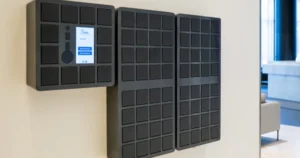
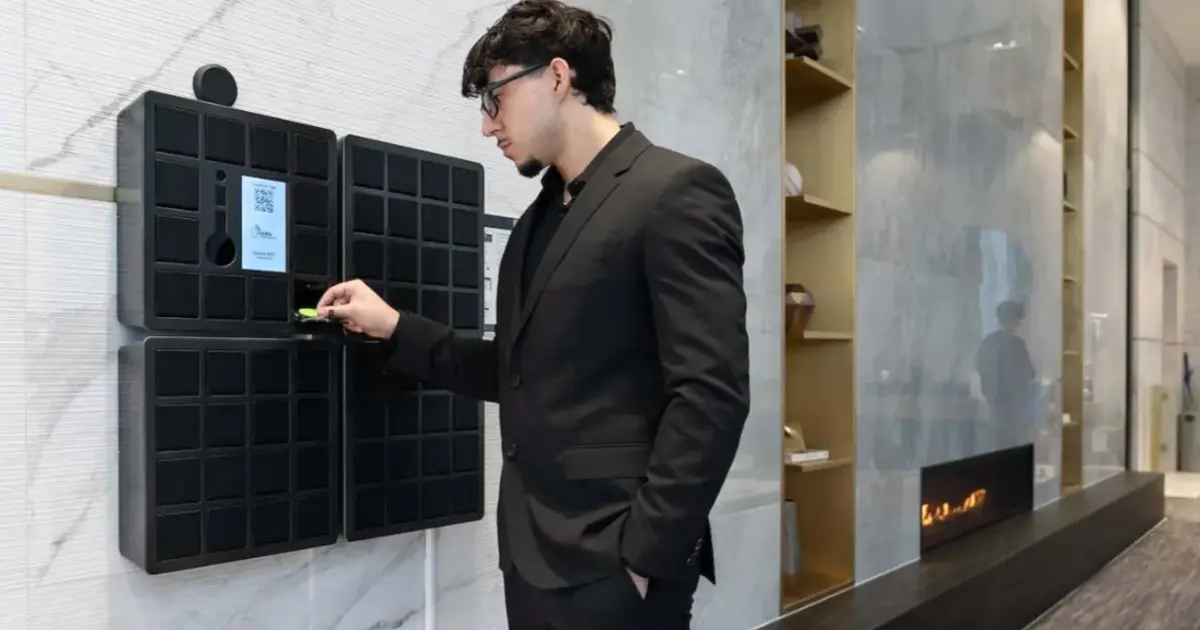
The more secure approach is to keep the key inside the building, in a locked compartment that only authorized people can open, with every handover recorded. That is how Noki Exchange works. The listing agent books a compartment in a Noki system at the property and creates passcodes for each person who needs the key, all from a mobile app.
How condo key exchange works in 3 steps:
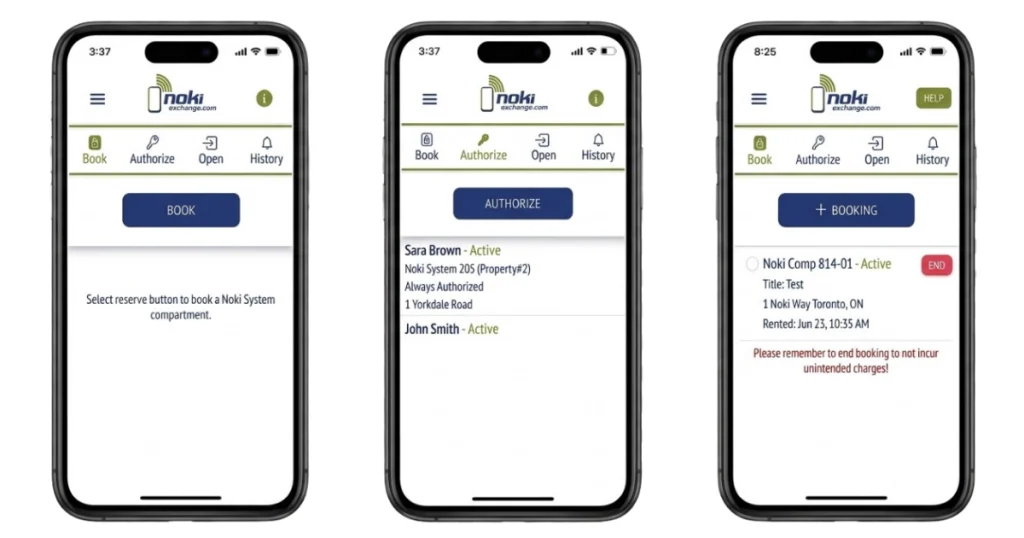
- Book. In the app, tap Book, enter the system number shown on the Noki system at the building, name the booking (for example, the unit number), choose a duration and pay. Then tap Open and place the key inside.
- Authorize. In the Authorize tab, create a passcode: an Individual Passcode for one person on a set date and time, or a Shared Passcode for several people.
- Access. The buyer’s agent, inspector or photographer enters the passcode on the system screen, adds their name if prompted, and selects Open/Return Key. They do not need the app.
When the listing closes, remove the key and end the booking in the app. Access stops immediately.
To see how it works, visit the Noki Exchange key management system page.
Managing a condo building? Noki can walk you through how a key exchange system would work for your residents and visiting agents.
Talk to the Noki team
Individual vs. Shared Passcodes in Noki Exchange
With Noki Exchange, the listing agent doesn’t give everyone the same code. Instead, they choose one of two passcode types for each situation.
| Individual Passcode | Shared Passcode | |
|---|---|---|
| BEST FOR | One buyer’s agent or one showing | Busy listings with many agents, cleaners or stagers |
| ACCESS WINDOW | One-time access on a selected date and time | Ongoing access for multiple people |
| WHO IT’S FOR | Created for one specific person | Each user enters their name, so every use is tracked |
| SECURITY TIP | Expires after the scheduled window | Change it once a month in the Authorize tab |
Never share your own personal passcode. Create a separate one for anyone who needs the key, so you always know who had access.
Benefits for Everyone in the Transaction
- Listing agents
Schedule access per showing, see who opened the compartment and when, and skip the trips to hand over keys. - Buyer’s agents
Enter the passcode at the system, take the key, return it. No app to download and no lockbox to hunt for. - Sellers and owners
A named record of every key handover, and no box on the door announcing the unit is for sale. - Condo property managers
No more holding listing keys at the front desk. The same key management system also handles cleaners, contractors and other everyday key handovers in the building.
Realtor Lockbox vs. Key Drop Box vs. Noki Exchange
Electronic lockboxes are a solid choice for detached homes. For condos, where many different people need the same key over several weeks and there is nowhere good to hang a box, an in-building key exchange is the better fit.
| Feature | Mechanical lockbox | Electronic lockbox | Key drop box | Noki Exchange |
|---|---|---|---|---|
| Where it lives | Door handle or railing | Door handle or railing | Office or lobby wall | In-building Noki system |
| Who can open it | Anyone with the code | Agents with board credentials | Staff only (one-way drop-off) | Anyone you give a passcode |
| Access by person & time | No | Yes | No | Yes |
| Record of who took key | No | Yes | No | Yes, by name |
| Works for non-agents (cleaners, contractors) | Yes, with shared code | Usually no | No | Yes |
Noki Exchange
Mechanical Lockbox
Electronic Lockbox
Key Drop Box
Key Handover Best Practices for Condo Listings
- Use an Individual Passcode for single showings and inspections; keep Shared Passcodes for teams that need ongoing access.
- Change shared passcodes monthly for listings that stay on the market longer.
- Ask every user to close the compartment door firmly after removing or returning the key.
- Remove the key before ending the booking, because access ends immediately.
- Bookings renew automatically until you end them, so end yours as soon as the deal closes.
- Name each booking clearly (unit number and address) if you manage several listings in one building.
Make Condo Showings Simpler
If your building already has a Noki system, download the Noki Exchange app and enter the system number shown on site. Property managers who want to offer secure key exchange or upgrade building amenities with smart parcel lockers can book a short demo with the Noki team.
Download on the App Store
Get it on Google Play
Frequently Asked Questions
How does a realtor lockbox work?
The listing agent places the property’s keys inside a locked box attached to the door handle or a wall. Buyer’s agents open it with a combination code or, for electronic models, an agent app or key card. They take the key for the showing, then lock it back inside. Electronic lockboxes also log each access so the listing agent knows who visited and when.
Are realtor lockboxes safe?
Lockboxes are generally safe when codes are controlled, but they carry risks. A mechanical box shares one code with everyone, keeps no record of who opened it, and can be forced open. A visible box can also signal a vacant home. Change codes often, limit who receives them, and use a tracked option such as an electronic lockbox or an in-building key exchange where possible.
What type of lockbox do realtors use?
Realtors use two main types. Mechanical lockboxes open with a dial or push-button combination and are common for quick, low-cost access. Electronic lockboxes, often supplied through local real estate boards, open with an agent’s app or credential and record each entry. In condo buildings, some agents use an in-building key exchange system instead, because there is often nowhere secure to hang a box.
Can I use a realtor lockbox in a condo building?
It depends on your condo corporation’s rules. Many buildings limit what can be attached to unit doors, railings and common areas, and lobby access still requires a fob. Ask the property manager before installing one. If the building has a Noki Exchange system, you can store the key in a compartment instead and give each agent a tracked passcode.
Does a buyer’s agent need an app to collect a key from Noki Exchange?
No. Only the person who books the compartment, usually the listing agent or owner, uses the Noki Exchange app. A buyer’s agent simply enters the passcode they were given on the system screen at the building, adds their name if prompted, and selects Open/Return Key. With a Shared Passcode, each person must enter their name, so the listing agent can track who accessed the key.